Residents Guide to
Bond Sale Propositions
Three bond sale propositions will be on everyone’s ballot this November 15th. The City needs voters’ approval to sell bonds to fund large-scale projects. Here’s everything you need to know.

Bonds are how cities generally pay for large-scale capital projects. While other revenue sources come in slowly over time, selling a bond gives the City access to large amounts of money upfront, then they pay it back with interest over time (like a mortgage). This can be crucial for getting large, expensive projects started.
The basics: What is a bond?
3 Propositions. $510 Million.
#1
$45 Million for Affordable Housing
Construction, renovation, and acquisition of affordable housing.
#2
$415 Million for Infrastructure
Building and improving roads, bridges, streets, parks and recreation facilities, clean energy hubs, street lights, and public buildings.
#3
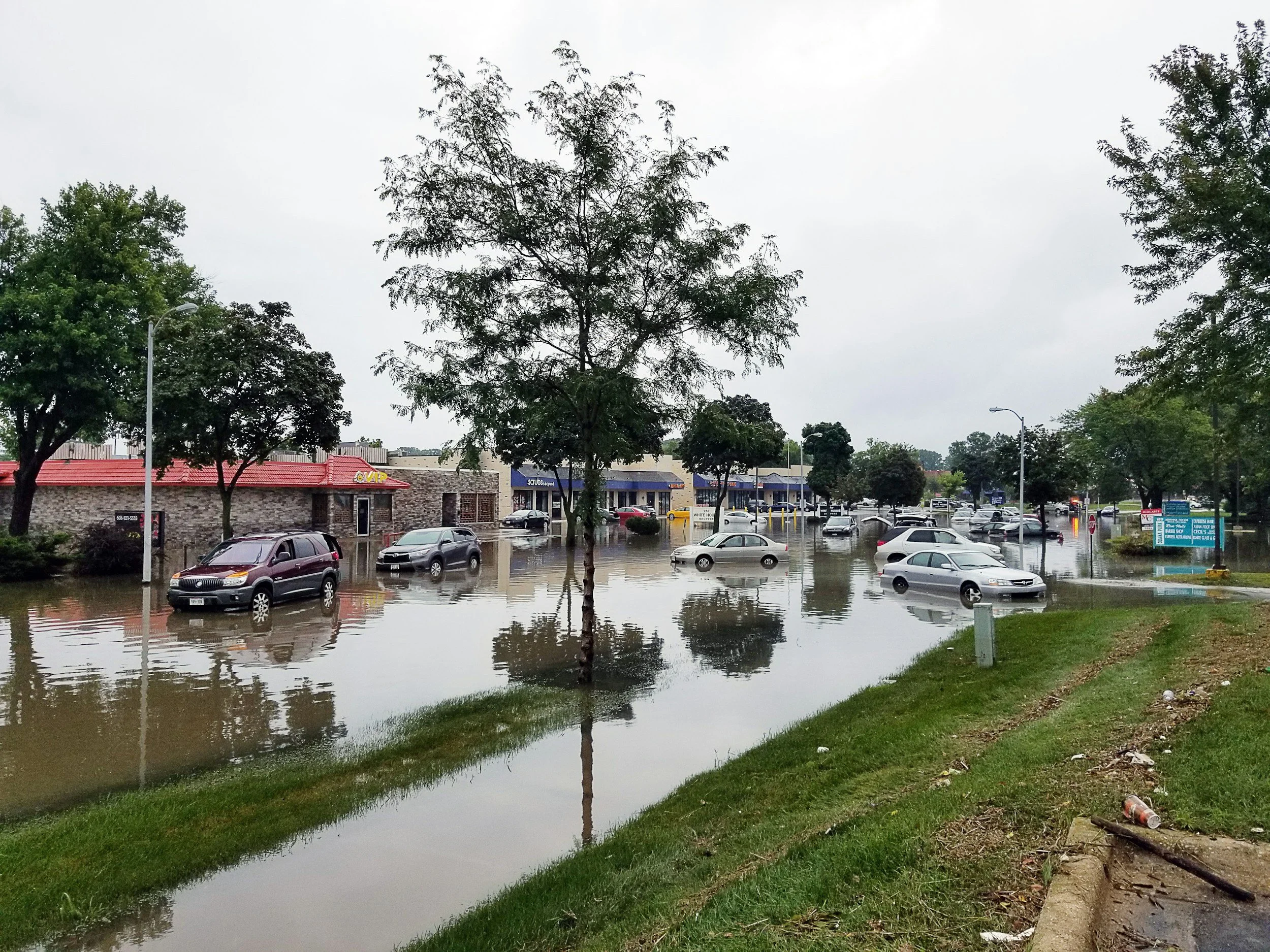
$50 Million for Drainage & Stormwater Mgt.
Projects to reduce flooding and improve neighborhood drainage, including green infrastructure projects.
Why is the City proposing this?
There are a lot of big projects that need to happen, and limited funding available for them since the 2019 Bond funding is almost gone.
Most cities in the U.S. regularly use bonds for infrastructure and housing because big projects cost a lot and can’t fit into one year’s budget. Just like an individual might finance a large purchase like a mattress, car, or house; borrowing allows the city to start the project now instead of waiting many years to save up.
It also spreads the cost over time, so the people who benefit in the future help pay for it gradually over time.
Funding for specific projects
This year’s bond propositions include a transparent and specific list of projects the City would build with the money. The list can only be changed by City Council with a public hearing.
This is an improvement from previous propositions, which asked for the money without being clear where the money would go.
What would the money fund?

#1. Housing
-
Parishwide Proposition No. 1 of 3
(Affordable Housing Projects)Shall the City of New Orleans, Louisiana (the "City"), incur debt and issue up to $45,000,000 of general obligation bonds of the City, in multiple series, each series to run not exceeding thirty (30) years from the date thereof and bearing interest at a rate not exceeding eight percent (8.00%) per annum, for the purpose of making capital improvements in the City approved by the New Orleans City Council and permitted by the City's Home Rule Charter consisting of constructing, renovating, acquiring, and/or improving affordable housing facilities, including acquiring all necessary furnishings, fixtures, and equipment therefor, which bonds will be general obligations of the City, payable from ad valorem taxes to be levied and collected in the manner provided by Article VI, Section 33 of the Constitution of the State of Louisiana of 1974 and statutory authority supplemental thereto, with no estimated increase in the millage rate to be levied in the first year above the 14.5 mills currently being levied to pay General Obligation Bonds of the City?
-
The City is proposing a bond issue of $45 million to fund affordable housing projects.
The bond is for 30 years, meaning the City will pay back the costs and interest over 30 years.
A YES vote means:
The City is authorized to issue the $45 million in bonds.
Funds will be available for affordable housing initiatives.
A NO vote means:
City cannot issue the bond;
Funding for affordable housing will have to be diverted from other uses.
-
These funds would be used to address the affordable housing crisis in New Orleans by constructing, renovating, and acquiring affordable housing facilities.
The City has discussed using this funding to help fund the city's recently established Housing Trust Fund, though the proposition does not specifically reference the HTF.
What is the Housing Trust Fund (HTF)? Last year, voters approved a charter amendment that dedicates the equivalent of 2% of the City’s General Fund to affordable housing. The fund, called the Housing Trust Fund, is flexible funding to help overcome barriers to the housing crisis, including gap financing, helping property owners rehab damaged housing, and more. Where most funds for housing come from HUD, which has heavy restrictions on uses, this fund would give the City the ability to meet needs as they arise without restrictions.
The HTF has several layers of accountability. The uses are determined by the Housing Trust Fund Advisory Committee, which includes housing experts and impacted residents, and the City Council. The money is administered by the City, the New Orleans Redevelopment Authority (NORA), and Finance New Orleans.
What will happen with this money if approved?
If the bond is approved, more funding would be available for the City to invest in affordable housing beginning late next year.
There’s some discussion among advocates and City officials about if or how much of the funding would go in the Housing Trust Fund. It’s likely that at least some of the approximately $12M/year costs of the HTF would come from this bond, if approved. But, there are roughly $2M in administration and other HTF costs that the bond funds are not eligible to cover and the City will have to pay for from other sources. This could leave leftover bond funding available for other projects above and beyond the HTF.
The specific projects funded would be determined by the Housing Trust Fund Advisory Committee and City Council. This could include projects like:
Subsidies for developers and property owners to build large multifamily developments, triplexes, duplexes and single-family homes, and rehabilitate existing ones.
Expanding home ownership by subsidizing new, for-sale affordable homes
Helping low-income homeowners build fortified roofs.
Subsidizing property repairs (fortified roofs, HVAC repairs, weatherization, etc) in exchange for small landlords making their units affordable for a specified period of time.
What will happen if this proposition doesn’t pass?
If the proposition doesn’t pass, significantly less funding would be available for affordable housing. Historically, the City has relied on the federal government (HUD) for housing funding. As HUD places increasing restrictions on funding, some advocates are concerned about the stability of that money.
Without this bond funding, the City will have to move General Fund dollars from other uses to fully fund the Housing Trust Fund, and accomplish any other housing goals.
Why isn’t there a specific list of projects for this bond?
A single affordable housing development requires a lot of different funding sources (this is called a “capital stack”). Large projects can take a while to finalize all their financing sources, and so the gap they’re trying to fill isn’t always clear until they’re ready to close their financing. The average gaps could be in the range of $5M-$10M per project. With this bond funding not becoming available until next year, it is too early to know which projects will need gap funding, and how much they will need.
#2. Infrastructure
-
Parishwide Proposition No. 2 of 3
(City Infrastructure Projects)Shall the City of New Orleans, Louisiana (the "City"), incur debt and issue up to $415,000,000 of general obligation bonds of the City, in multiple series, to run not exceeding thirty (30) years from each date thereof and bearing interest at rates not exceeding eight percent (8.00%) per annum, for the purpose of making capital improvements in the City approved by the New Orleans City Council and permitted by the City's Home Rule Charter, including (i) constructing, renovating, acquiring, equipping, and/or improving roads and streets, bridges, buildings, lands, public safety facilities, parks and recreational facilities, and other infrastructure in the City; (ii) acquiring long-lived software and technology improvements; and (iii) acquiring heavy equipment, furnishings, and essential service vehicles for public purposes, which bonds will be general obligations of the City, payable from ad valorem taxes to be levied and collected in the manner provided by Article VI, Section 33 of the Louisiana Constitution of 1974 and statutory authority supplemental thereto, with no estimated increase in the millage rate to be levied in the first year above the 14.5 mills currently being levied to pay other general obligation bonds of the City?
-
The City is proposing to borrow $415 Million from investors to fund infrastructure projects, including:
improving streets, bridges, buildings, public safety facilities, parks and recreational facilities, and other infrastructure;
buying software and technology improvements; and
buying heavy equipment, furnishings, and essential service vehicles for public purposes,
The bond is for 30 years, meaning the City will pay back the costs and interest over 30 years.
A YES vote means:
The City is allowed to borrow the $415 Million for infrastructure
Funding becomes available to accomplish major infrastructure projects over the next 10 years.
A NO vote means:
The City is not approved to borrow $415M for infrastructure.
The City will have to find other funding sources for any infrastructure projects, and many of the projects on the list will not happen.
-
The City has identified 118 priority projects to fund with this bond sale, if passed. The plan is to focus on 7 major types of projects:
Repairs to Streets, roads, and bridges - About half of the funding would go towards streets, with over $120M for minor street repairs and more than $80M in major street repairs across the City. Specific streets are listed in the project list, and additional funding has been dedicated as flexible funding for streets in each Council District.
Trails, walking paths, greenways, and green spaces, like extending the Lafitte Greenway and new walking paths/trails in New Orleans East, on Elysian Fields, and on People’s Avenue.
Public buildings and facilities improvements, such as repairs to the Municipal Auditorium, repairing and replacing HVAC systems at key public buildings, and construction of a new Sign & Signal Shop for DPW employees previously working in Katrina trailers on the Greenway.
Public safety facilities, including a new secure evidence and property storage facility for the New Orleans Police Department (replacing the previous rat-infested facility) and other Public Safety agencies like the Clerk of Criminal District Court and renovations of the jury rooms at Criminal District Court.
Parks and recreational facilities, including improvements to NORD facilities across the City, infrastructure repairs at City Park, and redevelopment of the old Sign & Signal Shop along the Lafitte Greenway
Heavy equipment for City departments like the Fire Department and Parks & Parkways
Economic Development projects including Charity Hospital, the River District, Six Flags, Mercy Hospital, and the Naval Support Activity.
KEY PROJECTS:
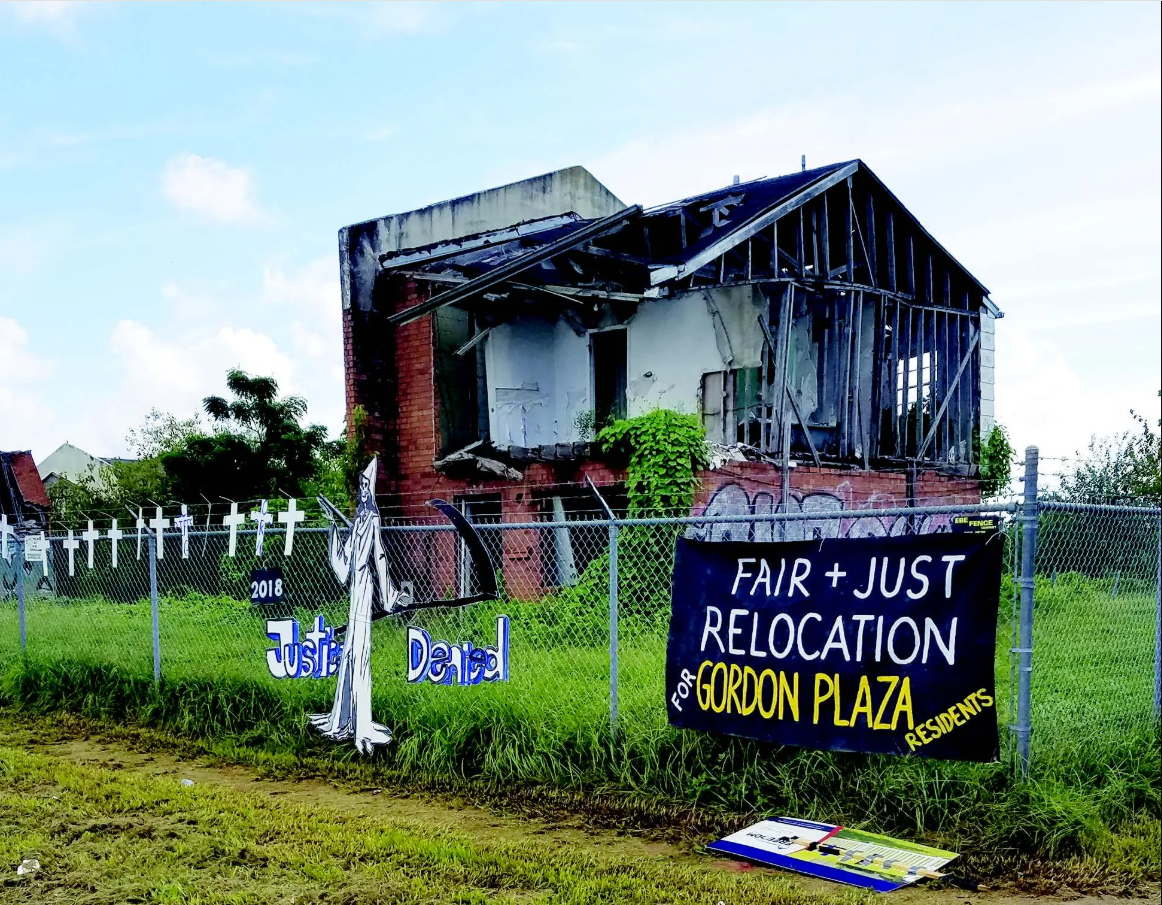
Clean Energy & Resilience Hubs ($6.9 million)– Includes the redevelopment of the Agriculture Street Solar Field (the former Gordon Plaza site), installing rooftop solar and battery backup, and the creation of Community Resilience Hubs at recreation centers. These investments would provide reliable backup power during outages, expand access to renewable energy, and create safe community gathering places in times of need.
New Orleans Downtown Transit Center & Connectivity ($1.5 million) – Matching funds to construct a new transit hub that improves regional connectivity, supports public transit, and reduces reliance on personal vehicles.
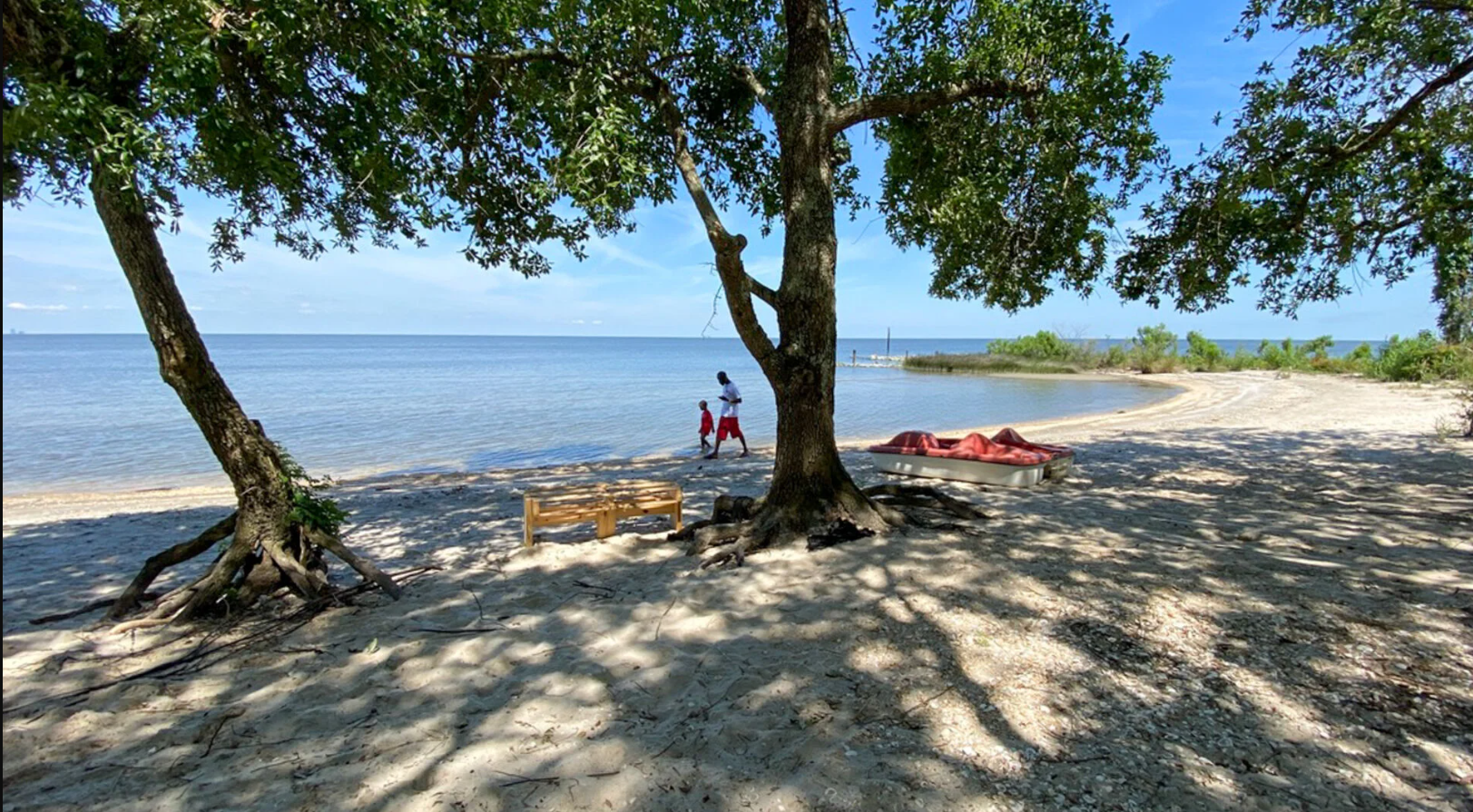
Lincoln Beach Phase 2 ($8.5 million) – Continued redevelopment of Lincoln Beach, expanding public access to a historic waterfront site while integrating environmental restoration and resilience features.
Citywide Streetlighting Improvements ($1.4 million) – Investments in “Lighting the Big Easy” and supplemental upgrades across the city to improve public safety, modernize infrastructure, and ensure more reliable service for residents.
Trails, Walking Paths, and Greenways ($6.9 million) – Investments for New Orleans East walking paths on Michoud, Crowder, and Lake Forest; Lafitte Greenway Extension; Elysian Fields walking path; Real Timbers walking path, & People’s Avenue walking path.
#3. Drainage & Stormwater Management
-
Parishwide Proposition No. 3 of 3
(Drainage and Stormwater Management Projects)Shall the City of New Orleans, Louisiana (the "City"), incur debt and issue up to $50,000,000 of general obligation bonds of the City, in multiple series, to run not exceeding thirty (30) years from each date thereof and bearing interest at rates not exceeding eight percent (8.00%) per annum, for the purpose of constructing, renovating, and improving surface and subsurface drainage systems and stormwater management facilities in the City approved by the New Orleans City Council and permitted by the City's Home Rule Charter, including acquiring all necessary equipment, property, and installations therefor, which bonds will be general obligations of the City, payable from ad valorem taxes to be levied and collected in the manner provided by Article VI, Section 33 of the Louisiana Constitution of 1974 and statutory authority supplemental thereto, with no estimated increase in the millage rate to be levied in the first year above the 14.5 mills currently being levied to pay other general obligation bonds of the City?
-
The City is proposing to borrow $50 million to fund drainage and stormwater management projects.
The bond is for 30 years, meaning the City will pay back the costs and interest over 30 years.
A YES vote means:
The City is authorized to borrow the $50 million for drainage and stormwater management.
Funds will be available for a specific set of drainage and stormwater management projects.
A NO vote means:
The City will not borrow $50 Million for drainage.
The City will have to find other funding sources for any stormwater management or drainage projects, and many of the projects on the list will not happen.
-
The City would use this funding to fund 14 projects across the City that would reduce flooding and improve drainage.
There’s a mix of direct project implementation funding, neighborhood-level drainage studies, and citywide system improvements.
Project implementation: Building green infrastructure systems such as subsurface retention tanks, upgraded drains, and stormwater parks that capture and hold rainwater before it floods streets and homes.
Neighborhood studies: Conducting hydrologic and hydraulic (H&H) drainage studies. These technical reviews identify specific problem areas and design tailored solutions for future projects; and they’re required before constructing drainage projects.
A major focus is on green infrastructure, which allows water to be absorbed and stored in parks, streetscapes, and open spaces instead of overwhelming pumps and pipes. Examples include stormwater retention at Comiskey Park, Fleur de Lis Park, and St. Anthony Green Streets.
Key Projects
St. Anthony Green Streets ($8.6M) - renovations at Filmore & Gatto Parks (benches, trees and landscaping, playgrounds, half basketball court, water fountains, public art); “Pocket parks” that incorporate stormwater management as a key component, and stormwater improvements in the neutral ground and along sidewalks.
Mercy Hospital / Lindy Boggs Redevelopment ($6M)
Comiskey Park Drainage ($5M) - Installing underground water storage under Comiskey Park, and improving drainage on nearby streets.
St. Bernard Neighborhood - Willie Hall Playground ($3.2M) - Rebuild the playground and fields at Willie Hall, including football and baseball fields, regulation running track, bleachers, basketball court, lighting, landscaping, and five (5) million gallons of underground stormwater storage underneath the athletic fields. The second phase of the project includes building a multi‐purpose building with a concessions counter, public restrooms, equipment storage, community kitchen, and a small office. The third phase includes walking trails/paths and tree plantings throughout the green space between Bayou St. John and the new Willie Hall Playground complex.
Green Infrastructure across neighborhoods - Neighborhood level projects in Broadmoor, Lakeview, the Upper 9th Ward, and in Audubon Park and City Park.
What have bonds done for me?
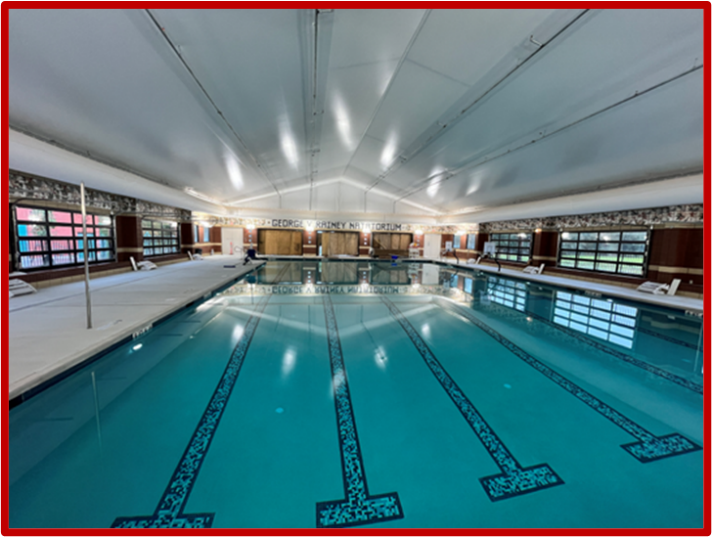
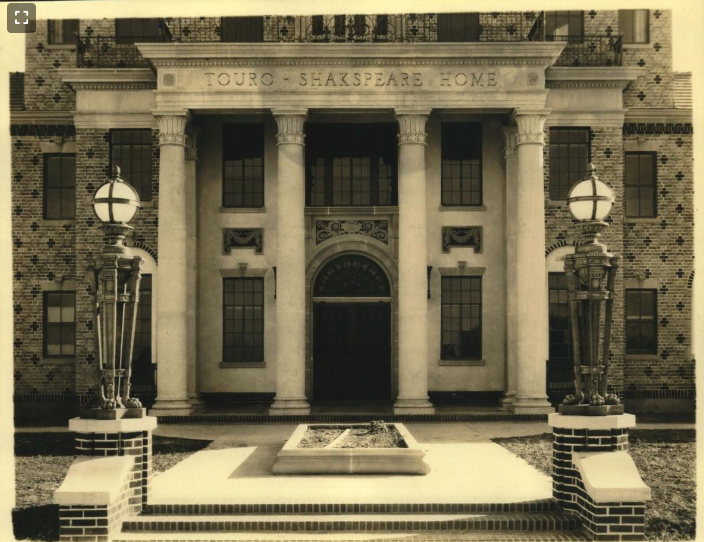
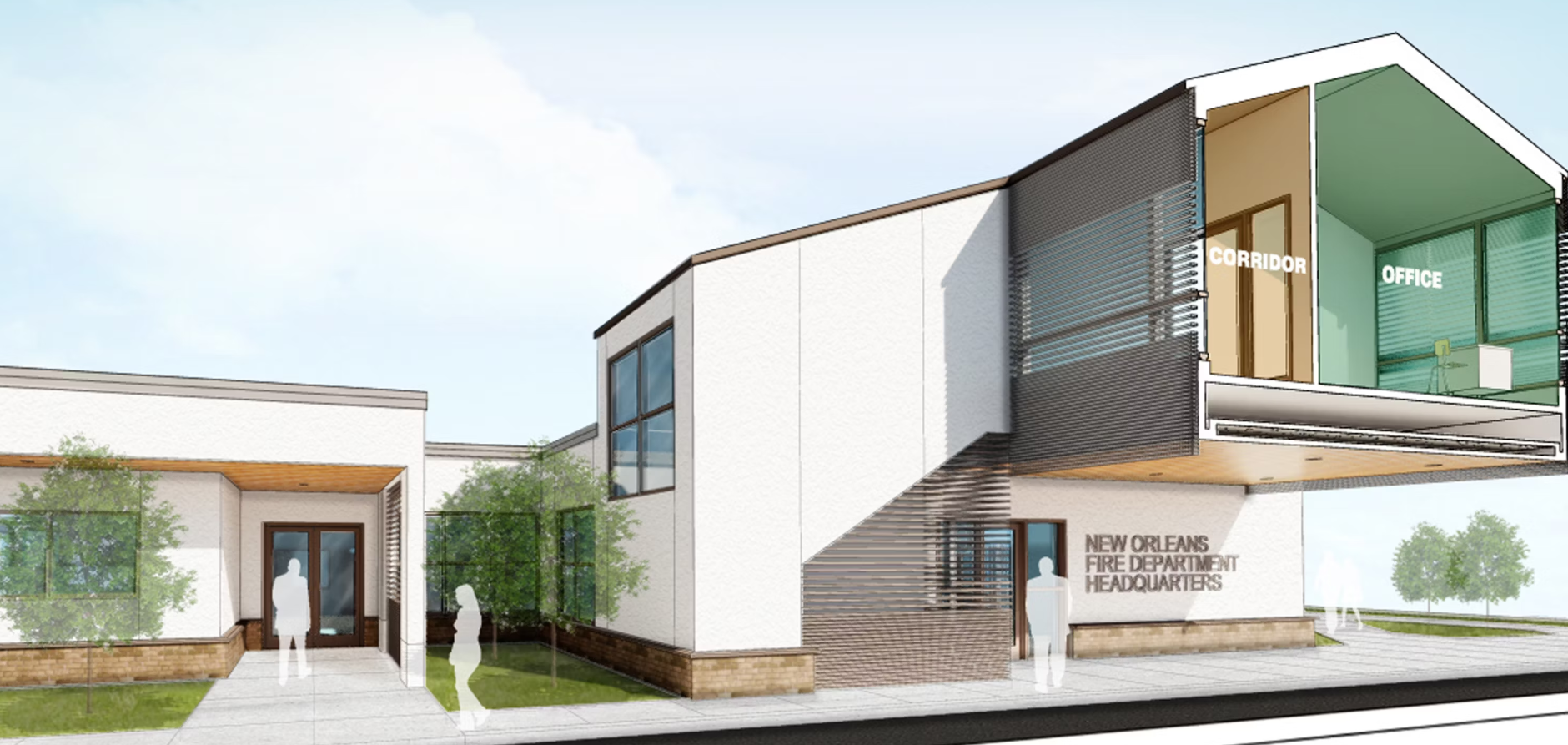
Bond-funded projects have impacted every New Orleans neighborhood. The 2019 bond program funded over 130 projects across the City that have made the city more livable, safe, and resilient. Scroll through the gallery below to see some examples of completed bond projects.
-
![]()
NORD Pool in Algiers (Morris F.X. Jeff Sr. Natatorium formerly Rainey Natatorium)
-
![]()
Senior Housing - Touro-Shakespeare Home Stabilization
-
![]()
Fire Dept Headquarters
-
![]()
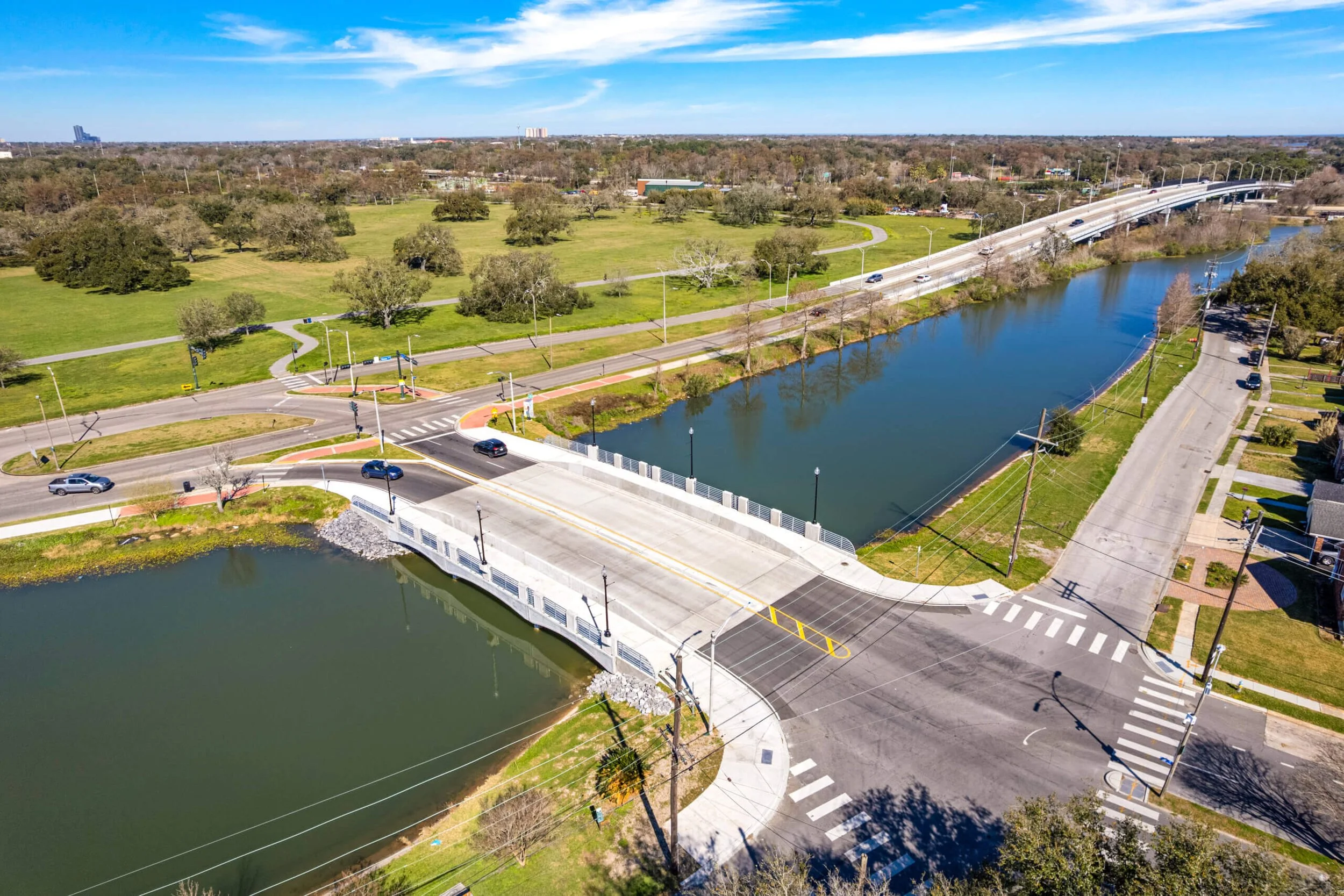
Desaix Bridge Replacement
-
![]()
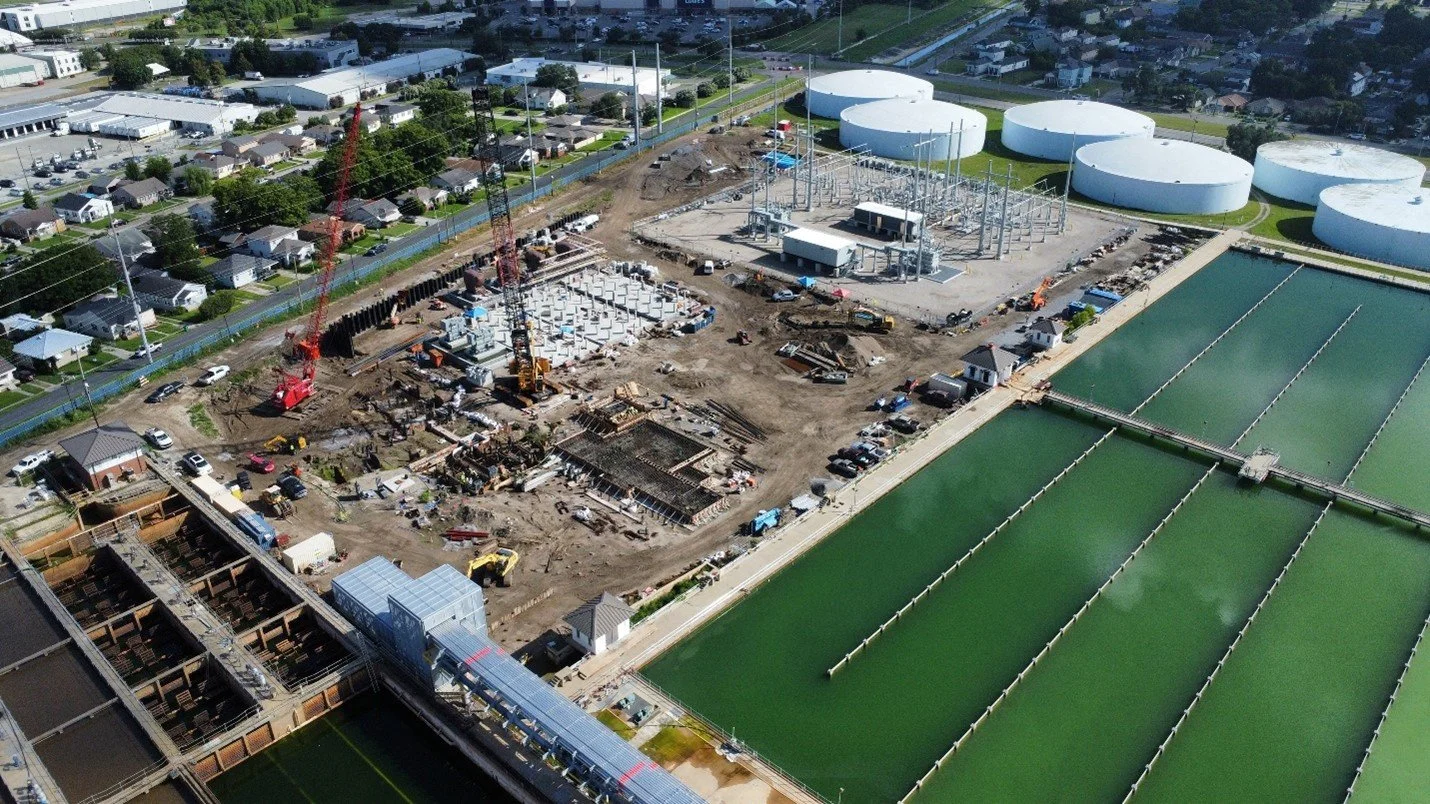
S&WB Power Plant
-
![]()
Gordon Plaza Buyout & Relocation
-
![]()
Lincoln Beach Phase 1
FAQs
Will my taxes go up?
No. This is not a new tax, and it will not cause a tax increase. Our existing property taxes already pay back bonds, and we’ve paid off some of them already! New bond payments will just replace the payments on older bonds, keeping our taxes the same.
Is this a new way of funding projects?
No. The City of New Orleans (and many cities) have been using bond funding to fund large projects for a long time. Since other revenue sources like taxes come in slowly over time, this is a common way for cities to get the startup capital for large projects without having to cut city services. It’s considered a normal and responsible funding mechanism.
How will the City be held accountable for completing the projects?
The City Council is tasked with holding the City accountable. City Council has passed a resolution to establish which projects the Infrastructure and Drainage bonds can fund. This can only be changed by the City Council’s Public Works Committee.
The Housing bond would be managed by the Housing Trust Fund Advisory Committee, which is comprised of City staff, housing policy experts, and community members.
We all have a role to play in holding the City accountable. As a voter and a resident, you get to advise City Council on what you need in your community.
How would the City pay back the money?
The City repays its debts through existing property taxes through the Board of Liquidation. The City has 30 years to repay the loans with interest.
What happens if the bond sale propositions don’t pass?
If voters don’t pass the bond sale propositions, the City is not approved to sell the bonds. This means the City will only have its existing revenue to do any projects, and fewer projects will happen. Most residents will see a difference in their neighborhoods, as the existing operating budget for public works is only about $33 million.
What has the City done with previous bond funding?
Previous bond issuances—such as the 2019 bond program—have successfully funded local projects across nearly every neighborhood, improving roads, public safety facilities, and parks.
How did the last bond sale proposition go? Was it worth it?
The last bond proposition funded over 130 projects, 59 of which are complete in only 6 years. The Bureau of Governmental Research released a report on the Results of the 2019 Bond Authorization, which found that “Overall, the 2019 bonds helped tackle urgent capital needs and shift money to address major cost increases and key community projects.”
